
From Weeks to A Day: Rethinking Network Infrastructure Deployments with Composite Mounting Platforms
June 24, 2026
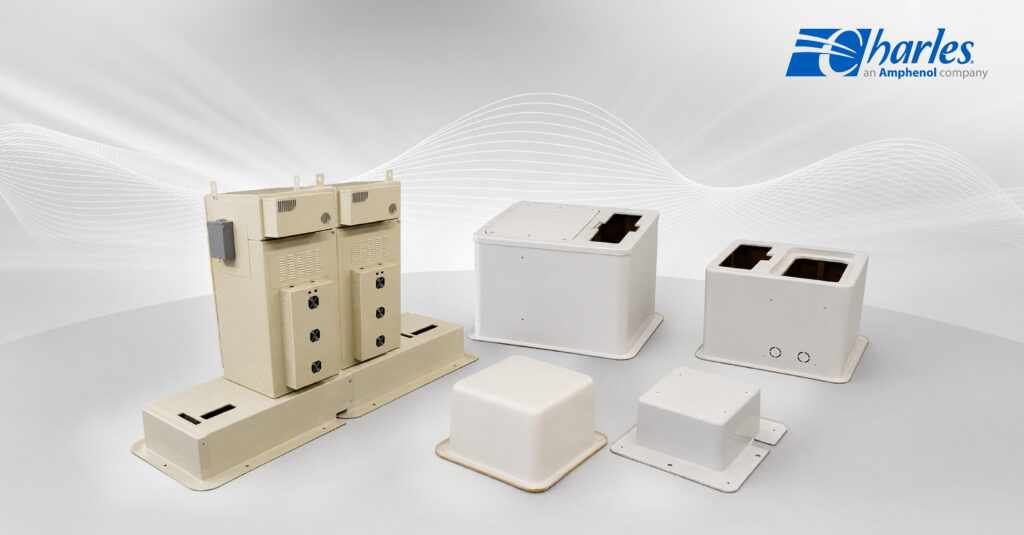
As broadband expansion, utility modernization, wireless densification, and EV infrastructure projects continue to accelerate, network operators are under increasing pressure to deploy infrastructure faster while controlling costs and labor requirements.
While much attention is placed on network electronics and connectivity technologies, the physical infrastructure supporting those networks is equally important. One area seeing significant innovation is the mounting platform.
For decades, concrete pads have served as the foundation for cabinets, hubs, and other outside plant equipment. While effective, traditional concrete installation can add complexity, labor, and time to deployment schedules. Today, many providers are turning to composite mounting platforms as a faster and more efficient alternative.
The Challenge of Traditional Installations:
Deploying outside plant infrastructure often involves coordinating multiple components, including mounting pads, below-grade enclosures, conduit pathways, and equipment placement.
Common challenges include:
- Extensive site preparation
- Multiple materials and components to coordinate
- Additional labor requirements
- Weather-related delays
- Concrete curing time
- Increased project complexity across large deployments
When multiplied across dozens or hundreds of locations, these challenges can significantly impact project schedules and budgets.
Why Composite Mounting Platforms are Gaining Momentum:
Composite mounting platforms address many of the limitations associated with traditional concrete installations.
Key benefits include:
- Faster installation timelines
- Lightweight construction for easier handling
- Reduced labor requirements
- Simplified transportation and placement
- Long-term resistance to environmental conditions
- Improved jobsite safety
Unlike poured concrete installations, composite mounting platforms arrive ready for deployment and can be installed quickly, helping crews work more efficiently in the field.
The Benefits of an Integrated Composite Mounting Platform:
The Charles Integrated Composite Pad (CPAD) takes deployment efficiency a step further by combining multiple infrastructure elements into a single solution.
The Integrated CPAD combines:
- A composite mounting platform
- Below-grade cable stack storage
- Sealed splice case storage
- Integrated cable management features
- Support for a variety of network equipment applications
By consolidating multiple infrastructure components into a single solutions, providers can:
- Reduce installation complexity
- Minimize labor requirements
- Simplify site construction
- Improve technician accessibility
- Accelerate deployment timelines
Rather than requiring a separate mounting platform and below-grade enclosure, the CPAD Combo provides both in one integrated design. This streamlined approach helps reduce deployment time and simplify field operations. In many cases, installations can be completed in as little as one day compared to traditional multi-day deployment methods.
Designed for Modern Infrastructure Networks
The CPAD platform supports a wide range of applications, including broadband, utility communications, wireless infrastructure, edge compute, and EV charging deployments.
For fiber network operators, the Integrated CPAD also supports fiber distribution equipment while providing dedicated below-grade space for cable slack and splice management. This simplified both deployment and long-term maintenance activities.
Its versatility allows operators to standardize infrastructure designs across multiple project types while improving deployment consistency and efficiency.
Building Networks Faster
As infrastructure projects continue to expand, organizations are looking for ways to reduce deployment timelines without sacrificing quality or reliability.
Composite mounting platforms offer a practical alternative to traditional concrete foundations by simplifying installation and reducing labor requirements. The Charles Integrated Composite Pad builds on those advantages by combining mounting, cable management, and below-grade storage into a single integrated solution.
By helping transform multi-day installations into projects that can be completed in as little as one day, the CPAD enables providers to deploy critical inf5rastructure faster, work more efficiently, and keep projects moving forward.
To see how integrated composite mounting platforms are being used across today’s network infrastructure projects, explore the available CPAD configurations and deployment options.